How to Choose Handyman Services: A Practical Guide
Handyman services provide practical help with home and business repairs, maintenance, installations, and small improvement projects. A reliable handyman can save time, prevent minor issues from becoming expensive problems, and complete several jobs efficiently. The best choice depends on skill, licensing needs, insurance, communication, availability, and a clear written estimate.
What Do Handyman Services Include?
Handyman services cover a broad range of non-structural repairs and improvement tasks. Instead of hiring separate specialists for every small job, property owners can often use one experienced professional to manage a practical list of maintenance needs.
Common services include:
- Drywall patching, painting, caulking, trim, and minor carpentry
- Door, cabinet, shelving, and hardware repairs
- Light fixture, faucet, toilet, and other fixture installations
- Furniture assembly and property maintenance
- Small renovation preparation and finish work
The exact scope varies by provider. Some tasks—such as electrical panel work, major plumbing, structural changes, roofing, or gas-related repairs—may require a licensed specialist or building permit. A trustworthy professional will explain those limits before work begins.
For a broader overview of available help, visit the General Handyman Services page. If your project involves replacing or installing household fixtures, Fixture Installation may also be relevant.

How Do You Choose the Right Handyman?
Choosing a handyman is less about finding the lowest hourly rate and more about finding the right fit for the work. Start by describing every task you want completed. Grouping several repairs into one visit may improve efficiency and make the estimate more accurate.
Use this evaluation checklist:
- Confirm relevant experience. Ask whether the provider has completed similar repairs, installations, or maintenance projects.
- Check business details. Look for clear contact information, a professional service area, and evidence of consistent communication.
- Ask about insurance. Confirm whether the business carries appropriate liability coverage for the work it performs.
- Clarify licensing requirements. Determine whether your project needs a licensed trade professional or permit.
- Request references or examples. Photos, reviews, and past-project details can help you assess workmanship.
A good provider asks questions before quoting. They may need to know the property type, materials involved, access conditions, dimensions, and whether another contractor has already attempted the repair. Detailed questions are usually a positive sign because they reduce surprises.
Questions to Ask Before Hiring
Before scheduling, ask:
- What is included in the estimate?
- Do you charge hourly, by project, or with a service minimum?
- Who supplies materials, and how are material costs handled?
- What happens if hidden damage is discovered?
- When can the work start, and how long should it take?
Written answers create a shared understanding. They also make it easier to compare providers fairly instead of comparing only headline prices.
How Much Do Handyman Services Cost?
Handyman pricing depends on labor time, project complexity, materials, travel, property access, and local market conditions. Small jobs may have a minimum service charge, while larger lists of repairs may be priced as a project or broken into stages.
An estimate should identify:
- Labor or hourly rates
- Expected time or project price
- Materials and delivery costs
- Disposal, travel, or special-equipment fees
- Payment schedule and warranty terms
The cheapest estimate is not always the best value. An unusually low quote may exclude preparation, cleanup, materials, or necessary follow-up work. Conversely, a higher quote may reflect stronger insurance, better materials, or more detailed preparation.
Ask whether the estimate is fixed or subject to change. If the price can change, request a process for approving additional work. You should know what happens before any extra cost is added.
When Should You Hire a Handyman?
Hiring a handyman makes sense when a project is too time-consuming, technical, or inconvenient to complete yourself but does not require a specialized construction crew. It is especially useful when multiple small jobs have accumulated around a property.
Consider professional help when:
- A repair affects safety, comfort, or daily use
- You lack the tools or experience to complete it correctly
- Several maintenance tasks can be handled during one visit
- The work requires careful measuring, finishing, or installation
- You are preparing a home for sale, rent, or new occupancy
A handyman can also support larger projects by completing punch-list work, touch-ups, fixture replacements, and final details. For extensive changes, review Home Renovations to determine whether your needs call for a broader renovation service.
What Should You Expect During a Handyman Visit?
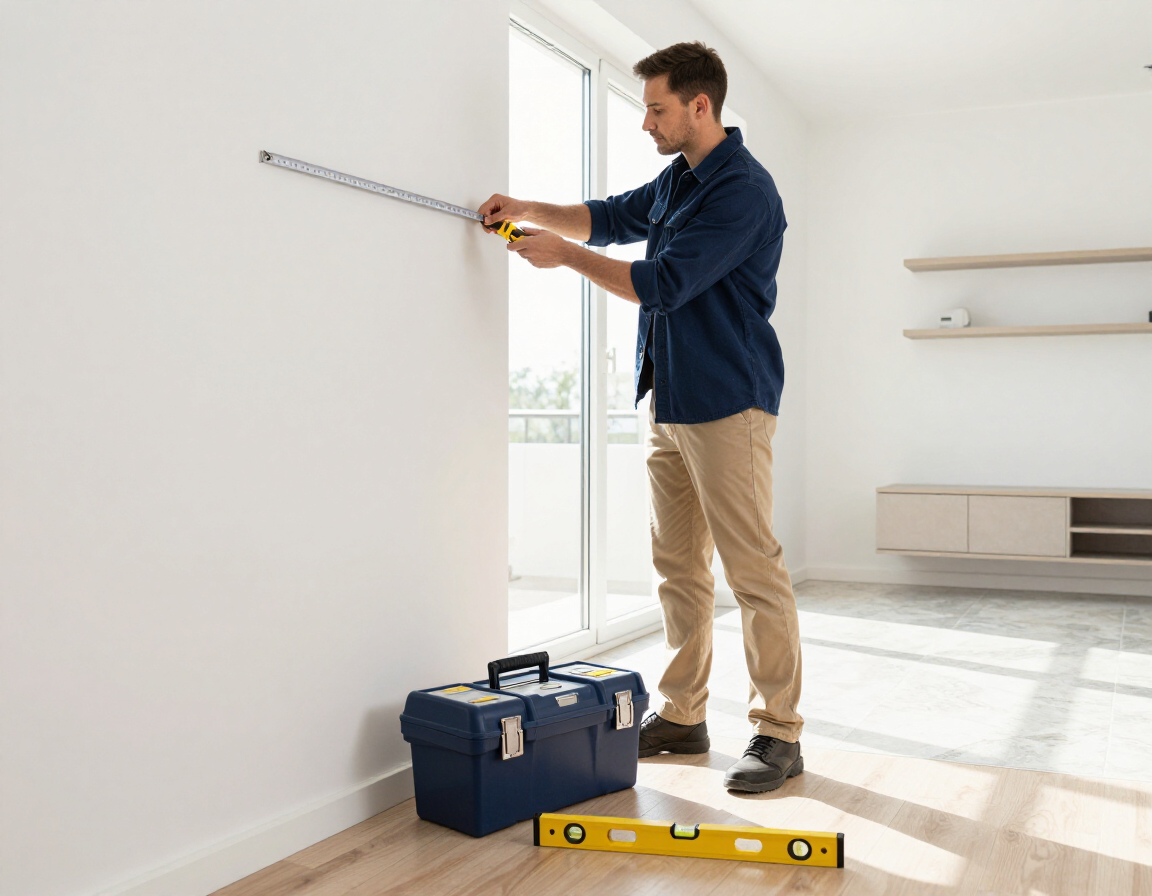
A professional visit usually begins with a review of the requested work and the work area. The handyman may confirm measurements, inspect surfaces, discuss materials, and identify conditions that could affect the plan.
A typical process includes:
- Project review: Confirm the task list, priorities, access, and desired result.
- Preparation: Protect nearby surfaces, gather tools, and verify materials.
- Repair or installation: Complete the agreed work using suitable methods and products.
- Quality check: Test fixtures, review finishes, and address obvious adjustments.
- Cleanup and handoff: Remove debris, explain maintenance, and confirm next steps.
You can help the visit run smoothly by clearing access to the work area, identifying shutoff valves or electrical controls, approving materials in advance, and keeping pets and children away from active work zones.
If the property is a business, office, rental, or multi-unit building, specialized coordination may be important. Explore Corporate Painting & Flooring for commercial finish-related needs or REI Services for relevant property improvement support.
How Can You Prepare a Repair List?
A clear repair list helps a handyman estimate time and materials accurately. Walk through the property and record each issue before contacting a provider. Include the location, problem, preferred solution, and urgency.
For example, instead of writing “fix bathroom,” write “replace loose bathroom faucet, recaulk tub edge, and adjust cabinet door.” Add photos when possible, especially for damaged surfaces, unusual fixtures, or hard-to-reach areas.
Prioritize tasks in three categories:
- Urgent: Safety concerns, active leaks, broken locks, or hazards
- Important: Issues affecting comfort, function, or property condition
- Cosmetic: Touch-ups, upgrades, and appearance improvements
This approach helps you decide what must happen first if the budget or appointment time is limited.
Handyman Services for Ongoing Maintenance
Handyman support is not limited to one-time repairs. Regular maintenance can help identify small problems before they cause larger damage. Seasonal inspections may include checking caulk, doors, fixtures, drywall, hardware, exterior touch-ups, and signs of moisture.
Property owners can schedule maintenance before a busy season, move-in date, inspection, or event. Landlords and business managers may also benefit from a dependable contact for recurring punch-list work.
Keep records of completed repairs, product names, paint colors, appliance details, and warranty information. These notes make future maintenance faster and help another professional understand the property’s history.
Frequently Asked Questions
Are handyman services suitable for large renovations?
Handyman services are generally best for small to medium repairs, installations, maintenance, and finish work. Large structural renovations may require a general contractor, architect, engineer, or licensed trade professional.
Should I supply the materials?
It depends on the agreement. Some providers purchase materials as part of the service, while others ask the customer to supply them. Confirm product specifications, receipts, delivery, and unused-material policies in advance.
How can I avoid misunderstandings?
Use a written scope of work that lists tasks, materials, price, timing, cleanup, and change-order procedures. Review the details before approving the appointment.
What if a handyman discovers a larger problem?
Pause and ask for an explanation, photos if helpful, and a revised estimate. Do not approve additional work until you understand the risk, cost, and whether a licensed specialist is required.
Key Takeaways
Handyman services are a practical choice for repairs, installations, maintenance, and smaller improvement projects. To choose well, define your task list, verify relevant experience and insurance, compare detailed estimates, and clarify what happens if conditions change. Use a handyman when the work is important but does not require structural construction or specialized licensed trades. For your next step, list the repairs, take photos, decide which tasks are urgent, and contact a qualified provider through Contact Us to discuss the project.